Decide what to deploy, then watch the plan unfold
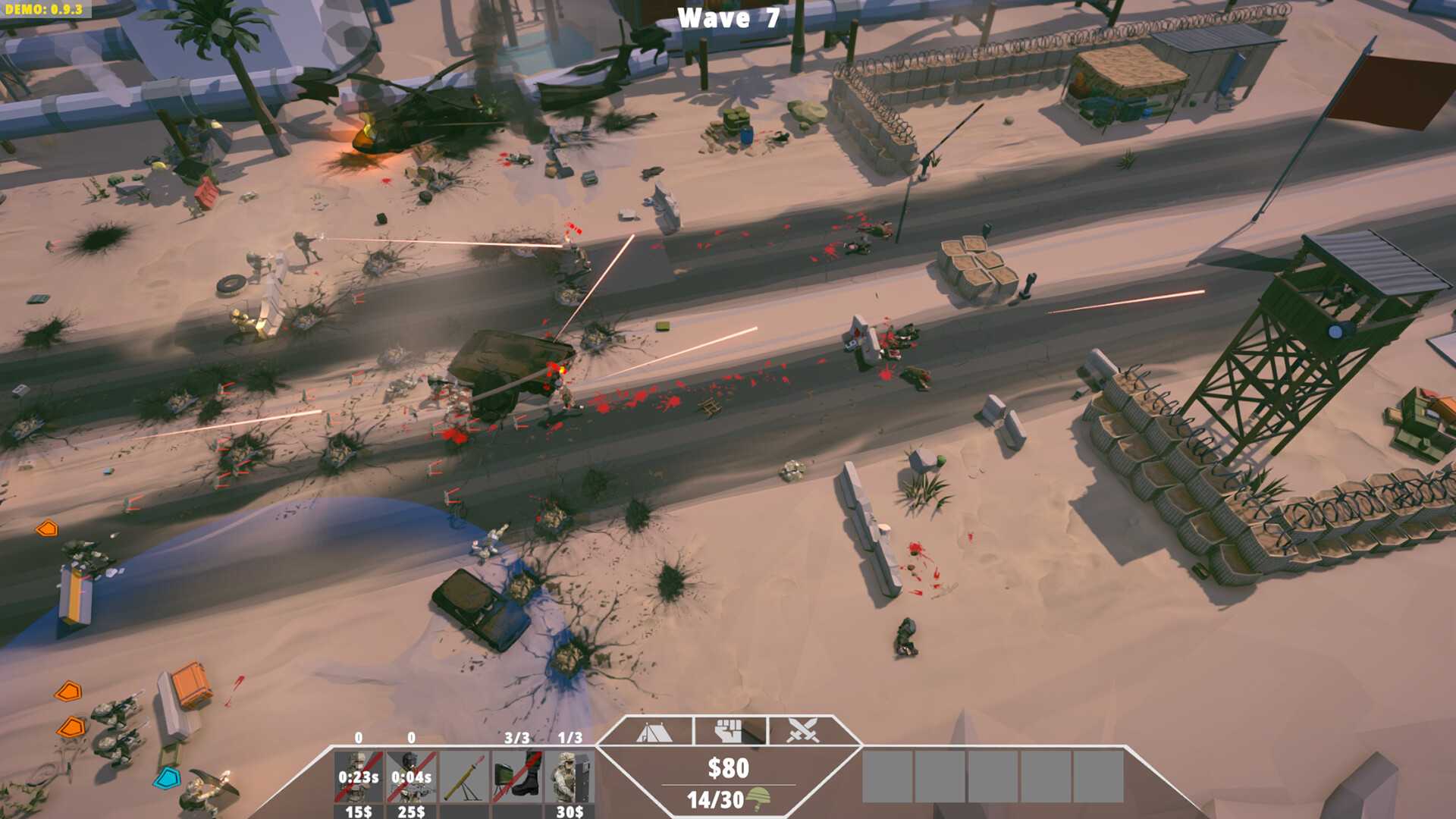
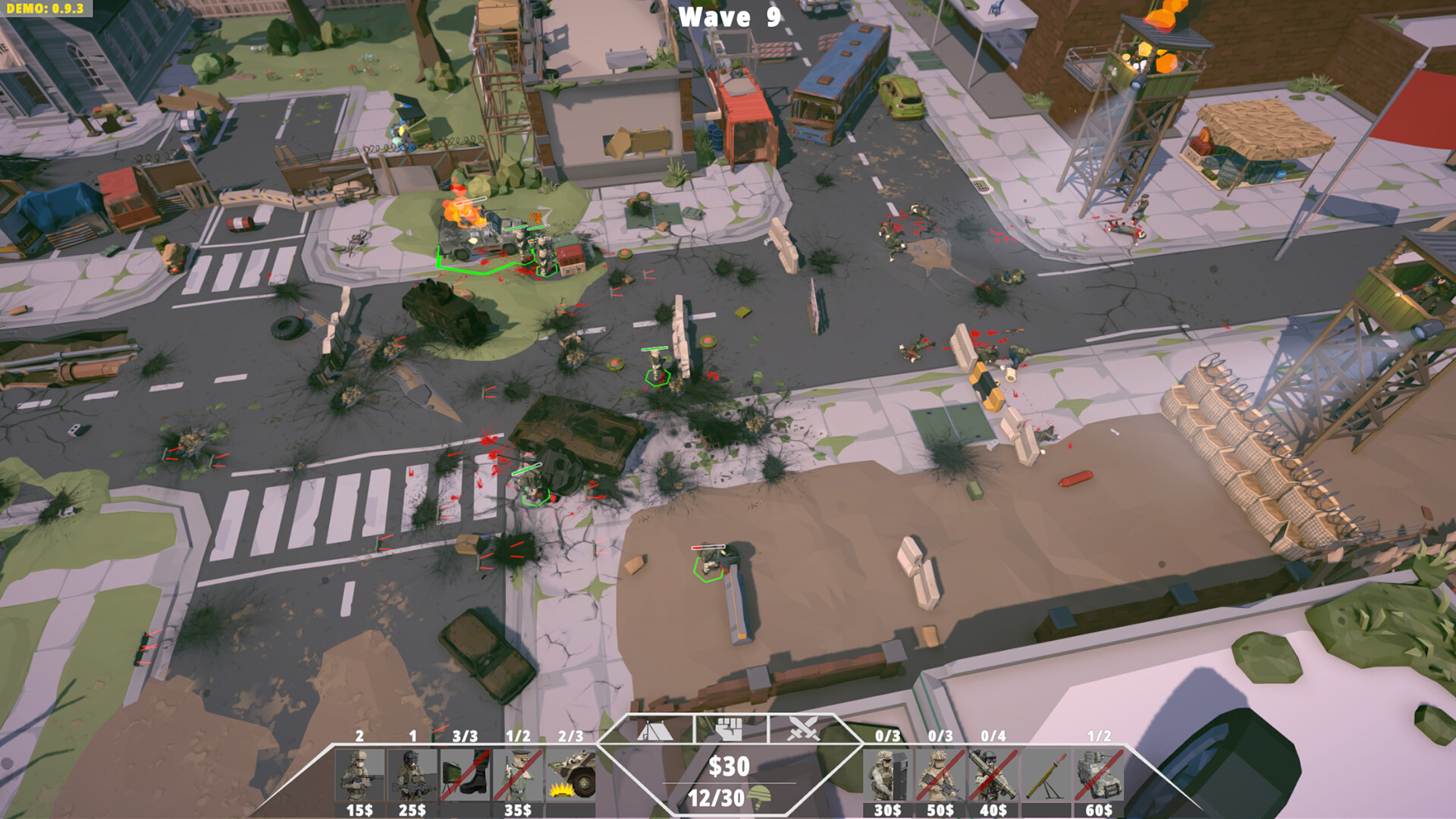
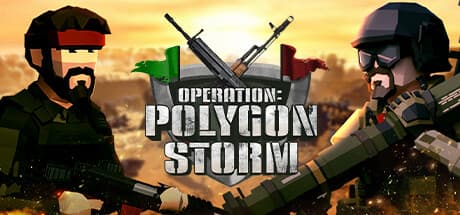
Operation: Polygon Storm is a military strategy game built around pushing against an opposing force with a selected army. Its emphasis is on composition, deployment and reacting to the battle, with less constant handling of individual soldiers than a traditional micromanagement-heavy strategy game. Units can advance, attack and use cover automatically, while direct orders let you intervene when the developing situation calls for a change.
Toxic Studio developed this single-player Windows release, which launched on August 12, 2024. Toxic Studio, Untold Tales and GamerSky appear in the publisher listing. The game is paid, and its compact battle focus is useful to understand before choosing it: you are assembling and guiding a fighting force rather than spending the opening of every encounter building an economic base.
Combine units according to the mission
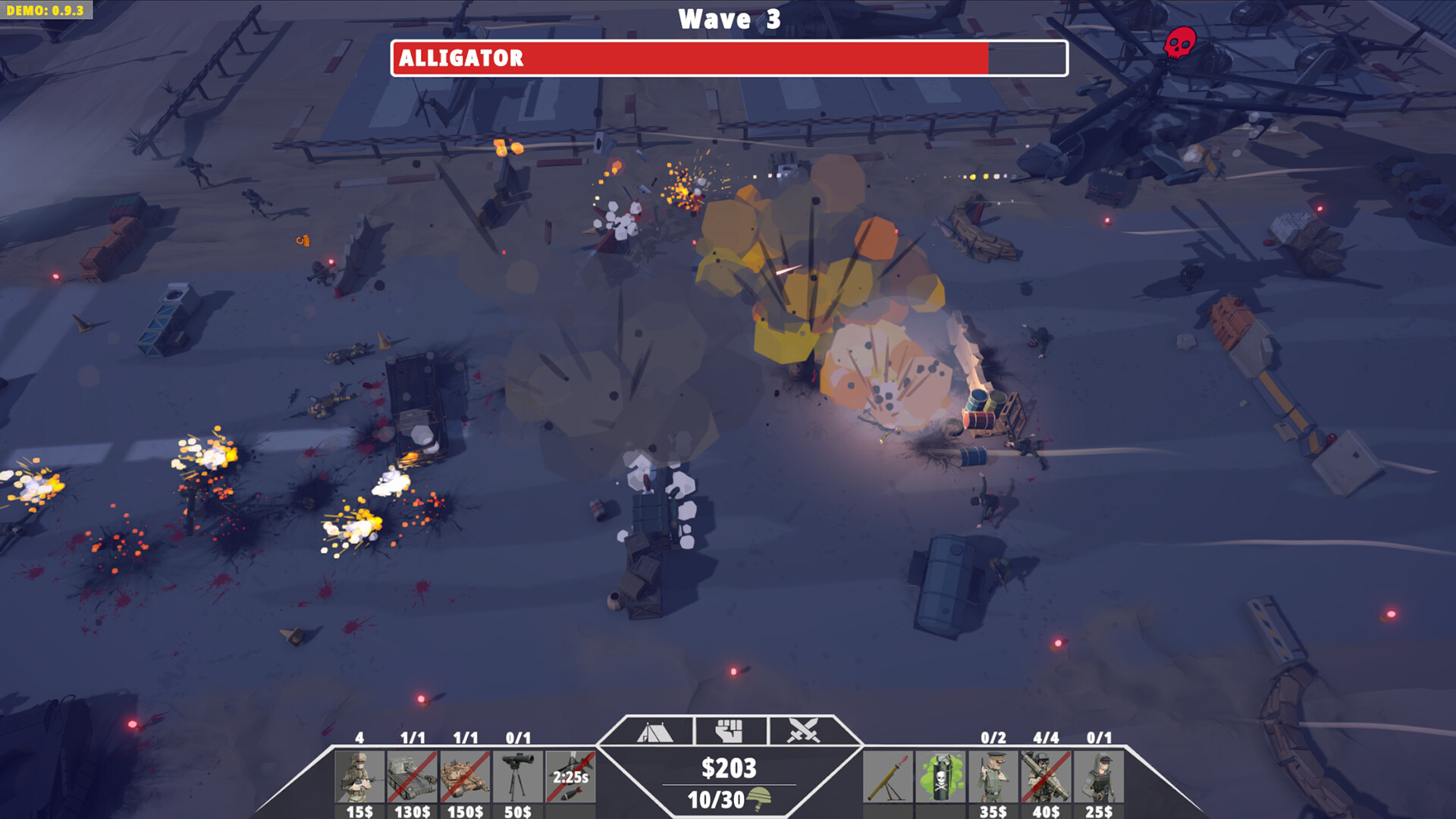
Infantry, armour, artillery and air support provide different ways to shape an attack. The important decision is how those elements work together with the resources available. Watch which part of your force is holding up the advance and what the opponent is doing there. Reinforcing the same approach without identifying its weakness can leave the next deployment facing exactly the same difficulty.
Unit upgrade trees and additional abilities give you ways to refine the composition. When trying a new combination, pay attention to the role each choice is supposed to fill. A more expensive option should have a reason to be present beyond simply being available. Comparing two attempts on a familiar mission helps you see whether the adjustment addressed the problem you noticed.
The game removes base construction and resource harvesting from the required routine. You still need to balance resources when selecting your force, but you are not organising workers to collect materials before joining the battle. This distinction makes it suitable for players who prefer making tactical decisions directly around an encounter.
Intervene where the battle needs attention
Automatic movement does not make the player's observation irrelevant. Use it to look at the wider situation rather than repeating an order for every small action. If a flank is struggling or a group is no longer contributing, direct commands can adjust the plan. After intervening, watch the result long enough to understand whether the unit has reached the position you intended.
Destructible scenery and cover also affect how you read the battlefield. A position that was useful at the start may look different after the fighting reaches it. Recheck the area instead of relying entirely on an earlier view. Killstreak rewards and complementary unit abilities add further decisions during the encounter, so learning their timing belongs alongside learning the initial deployment.
The visual style uses simplified polygonal models, but combat includes blood, fallen units and ragdoll effects. The stylised presentation retains the destructive character of the battles.
Choose the right kind of strategy game
If you want a broader strategy routine that includes base development and vehicle design, Warzone 2100 is another direction. Operation: Polygon Storm concentrates more tightly on deploying a force and responding to the fight. The comparison is particularly useful when deciding whether economic construction is a welcome part of a strategy session or something you would rather spend less time on.
Several additional packs are listed separately, including Deliberate Force, The Train, Chernobyl and Polar Express. Check the purchased edition before choosing content that belongs to one of them. The existence of a deluxe bundle does not change what is included in a base-game purchase.
Read the PC requirements carefully
The published minimum lists a Core i3, 4 GB RAM, graphics with 1 GB of video memory, DirectX 9 and 5 GB of free disk space. It does not identify a precise processor generation or graphics model, so memory capacity alone cannot describe every PC's likely performance. The recommended figures rise to a Core i5, 8 GB RAM and 4 GB of video memory.
Although the game's historical OS list includes Windows 7 and 8.1, current Steam use requires Windows 10 or later. Five gigabytes describes installation space rather than a verified download size. Review the actual components and the current platform requirement before starting your first mission.